Standing Seam vs. Corrugated Metal Panels: Costs, Benefits & Key Differences Explained

Choosing between standing seam vs corrugated metal panels is one of the most important decisions you’ll make when planning a new roofing or siding project. With so many types of metal roofing panels available today, understanding the key differences in metal roofing costs, durability, appearance, and installation methods can help you confidently select the best metal roof for your project. 

Blog Summary: This guide breaks down everything you need to know about standing seam metal roofing and corrugated metal roofing, including a detailed metal roof comparison chart, cost expectations, benefits, and expert recommendations. 

What Are Standing Seam Metal Panels? 

Standing seam metal roofing is a type of concealed fastener metal roofing system, where clips hidden beneath the raised, interlocking seams secure the panel to the substrate. This creates a sleek, modern appearance ideal for premium architectural designs. If you have an expansive roof that experiences high amounts of water flow due to the high major ribs and seam design, this panel is ideal for you. 

Standing Seam Panel Benefits 

  • Optimized clip system allows for reduced leak points by eliminating fastener penetrations through the panel 
  • Excellent uplift performance in extreme weather 
  • Ideal for architectural metal roofing applications 
  • Works well on both steepslope and lowslope roofing 
  • Long lifespan—often 40–60+ years with proper design and installation 

Because of specialized installation requirements and additional engineering considerations, standing seam roof cost tends to be higher than exposed fastener systems but offer proven longevity and performance. 

What Are Corrugated Metal Panels? 


Corrugated metal roofing features a classic, wavy or ribbed pattern and is installed with exposed fasteners through the panel directly into the substrate. This makes corrugated panels one of the most affordable and versatile panel types for commercial, residential, and agricultural projects. 

Corrugated Roofing Pros and Cons 

Pros 

  • Typically cost-effective for common applications 
  • Does not require specialized training or tools to install 
  • Excellent rigidity when installed and maintained according to specifications 
  • Suitable for roofs, siding, fencing, and interior designs 

Cons 

  • Exposed fasteners require periodic maintenance to maintain watertightness 
  • Recommended for moderate to steep roof slopes 

With multiple rib patterns, gauges, finishes, and coatings available, corrugated panels are a top choice for barns, shops, storage buildings, and rustic modern designs. For buyers comparing options, understanding the cost of corrugated metal roofing is key to maximizing your project budget. 

Standing Seam vs. Corrugated Metal Roofing: Comparison Chart 

To make your decision easier, here’s a detailed metal roof comparison table summarizing performance, costs, durability, appearance, fastener systems, and more. 

Category Standing Seam Metal Panels (Roof ONLY) Corrugated Metal Panels (Roof or Wall)
Fastener System Concealed fasteners, typically with clip systems Exposed fasteners
Appearance Modern, architectural Rustic, classic, industrial
Weather Resistance Excellent Good (relies on proper fastener sealing)
Maintenance Low Moderate (fastener checks needed)
Installation Complex; skilled installers required Simple; relatively fast installation
Installed Cost $$ $$$$
Best For Residential & commercial architecture Barns, workshops, agricultural buildings
Panel Performance Ideal for wind/water performance Economic option for common applications
Energy Efficiency Energy-efficient coatings available Energy-efficient coatings available
Roof Slope Suitability Low or steep slopes Moderate to steep slopes


Metal Roofing Costs: Standing Seam vs. Corrugated Panels 

Understanding metal roofing costs helps determine which product is right for your budget. We’ve compiled a list of some commonly asked questions regarding the two panel types below.
 

How Much Does Standing Seam Metal Roofing Cost? 

  • Standing seam typically costs more due to concealed fasteners and specialized installation. 
  • Installation Cost: $$ 
  • Ideal when long-term value and minimal maintenance are priorities.
     

How Much Does Corrugated Metal Roofing Cost Installed? 

  • Corrugated panels are significantly more budget-friendly. 
  • Installation Cost: $$$# 
  • This makes corrugated an excellent option for large structures or cost-sensitive projects seeking durability without premium pricing.
     

Which Metal Roof Is Best for Your Project? 

Some of the questions we’ve heard include “Which metal roof is best for residential use?”, or “Is standing seam worth the cost?” Maybe you’re wondering, “Is corrugated metal good for roofing?”, here’s a simple way to decide: 

Choose Standing Seam If You Want: 

  • A high-end architectural appearance 
  • Superior weather protection via concealed fasteners 
  • Low maintenance over decades 
  • Excellent performance on low-slope roofs 

Choose Corrugated Panels If You Want: 

  • An affordable roofing or siding solution 
  • Simple installation 
  • A rustic, farmhouse, or industrial style 
  • Versatility for siding, fences, and interior accents 


ABC’s standing seam and corrugated panel options have been trusted choices for residential, commercial, and agricultural projects. Known for their outstanding performance, durability, and versatile design options, they both have proven to be a reliable solution depending on your project goals, budget, aesthetic preferences, and desired lifespan. 

Cornerstone Building Brands acquires Metal Sales Manufacturing Corp.

Cornerstone Building Brands, Inc. (“Cornerstone Building Brands”), a leading manufacturer of exterior building products in North America, has acquired Metal Sales Manufacturing Corporation (“Metal Sales”), a leading manufacturer of metal building systems and components serving high-growth and diverse end-markets through a vast, multi-channel network.

Headquartered in Sellersburg, Ind., and founded in 1963, Metal Sales has about 900 employees and a nationwide footprint that is highly complementary to Cornerstone Building Brands’ existing operations.

“The Metal Sales acquisition increases Cornerstone Buildings Brands’ participation in the high-growth residential building systems market,” said Matt Ackley, President, Shelter Solutions at Cornerstone Building Brands. “With a combined post-transaction footprint of more than 100 plants and distribution locations for our Shelter Solutions business, we’ll be better positioned to serve North American customers in the $30 billion metal building and components market. We’re excited to welcome the Metal Sales team to our company.”


Preparing Your Metal Roof for Fall: Maintenance Tips

Preparing Your Metal Roof for Fall: Maintenance Tips  

As fall approaches, it’s critical to ensure the metal roofing systems you distribute are ready to perform through the cooler months. At ABC, we understand that distributors play a key role in guiding contractors and homeowners to maintain their roofs effectively. By sharing these fall maintenance tips with your network, you can help ensure the longevity and performance of our high-quality metal roofing products. For detailed guidance, refer to ABC’s Building Maintenance Manual 

Here’s how to prepare metal roofs for the fall season and support your customers.

1. Recommend Thorough Roof Inspections

Encourage contractors and homeowners to inspect metal roofs for signs of wear before fall weather sets in. This proactive step helps identify issues early, reducing warranty claims and ensuring customer satisfaction. 

  • Advise checking fasteners: Loose screws or fasteners can lead to leaks, especially under fall winds or rain. Recommend tightening or replacing them with a larger diameter screw. 
  • Recommend panel seam inspections: Gaps at panel seams can compromise performance. Suggest inspecting at both side laps and end laps, and resealing where necessary. 
  • Emphasize flashing checks: Flashings around vents, chimneys, and skylights should be secure and properly sealed to prevent water intrusion.


2. Stress the Importance of Debris Removal

Falling leaves and debris are common in autumn and can affect roof performance. Educate your customers on keeping roofs clear to maintain the durability of ABC’s metal roofing systems. 

  • Promote gentle cleaning methods: Recommend using soft-bristle brooms or leaf blowers to remove leaves and twigs, avoiding tools that could scratch protective coatings. 
  • Focus on valleys and low-slope areas: These spots are prone to debris buildup, which can trap moisture and lead to corrosion if not addressed.


3. Guide on Proper Roof Cleaning

A clean roof enhances both aesthetics and longevity. Provide your customers with best practices to maintain the appearance and integrity of their metal roofs. 

  • Suggest mild cleaning solutions: Advise using mild detergent and water with a soft brush or cloth, followed by a thorough rinse to avoid residue. 
  • Warn against harsh methods: Discourage pressure washers or abrasive cleaners, which can damage coatings and void warranties. 
  • Offer professional cleaning options: Recommend certified contractors for larger or heavily soiled roofs to ensure safe and effective cleaning.


4. Highlight Gutter Maintenance

A well-maintained gutter system is essential for metal roof performance. Share with your network the importance of clear gutters to prevent water backup and potential damage. 

  • Encourage gutter cleaning: Advise removing debris from gutters and downspouts to ensure proper drainage. 
  • Promote gutter inspections: Suggest checking for secure attachment and proper slope to direct water away from structures. 
  • Recommend gutter guards: These can help reduce debris buildup, making maintenance easier for end users and minimizing service calls. 


5. Advise on Trimming Overhanging Branches

Branches that overhang roofs can cause scratches or coating damage, especially during fall storms. Help your customers protect their roofs by addressing this risk. 

  • Suggest proactive trimming: Recommend cutting branches 6 to 10 feet away from the roof to prevent contact and debris buildup. 
  • Refer to professional arborists: For large trees or complex jobs, advise hiring professionals to avoid accidental roof damage. 


6. Emphasize Ventilation and Insulation

Proper ventilation and insulation are critical to preventing moisture issues and ice dams, which can affect roof performance in colder regions. 

  • Promote attic ventilation checks: Clear vents prevent heat buildup, which can cause condensation and damage under the roof. 
  • Highlight insulation benefits: Adequate insulation helps maintain consistent temperatures, reducing the risk of ice dams and ensuring energy efficiency. 


7.Encourage Professional Inspections

While DIY maintenance is valuable, professional inspections ensure thorough care. Position your customers as trusted advisors by recommending ABC’s certified contractors. 

  • Advocate for certified professionals: Contractors experienced with metal roofing can spot issues others might miss, ensuring product reliability. 
  • Suggest early scheduling: Encourage customers to book inspections before the fall rush to secure timely service and maintain roof warranties. 


8.Provide Guidance on Touch-Up Paint

Minor scratches or chips in the roof’s coating should be addressed promptly to prevent corrosion and maintain aesthetics. 

  • Supply manufacturer-approved paint: Offer touch-up paint for ABC’s colors to help conceal small scratches. 
  • Share application instructions: Ensure customers follow proper application techniques to maintain warranty coverage and protect the roof. 


Why Fall Maintenance Matters  

By equipping your customers with these maintenance tips, you reinforce the value of ABC’s durable, high-performance metal roofing products. Proactive maintenance reduces callbacks, enhances customer satisfaction, and strengthens your reputation as a trusted distributor. Share these tips through your channels, such as newsletters, training sessions, or consultations, to empower contractors and homeowners alike. For comprehensive maintenance instructions, direct your customers to ABC’s Building Maintenance Manual. 

At ABC, we’re here to support our distributors with top-quality products and resources. For more information on our metal roofing systems or to connect with our team for training and support, contact us. Let’s work together to ensure every roof performs flawlessly this fall! 


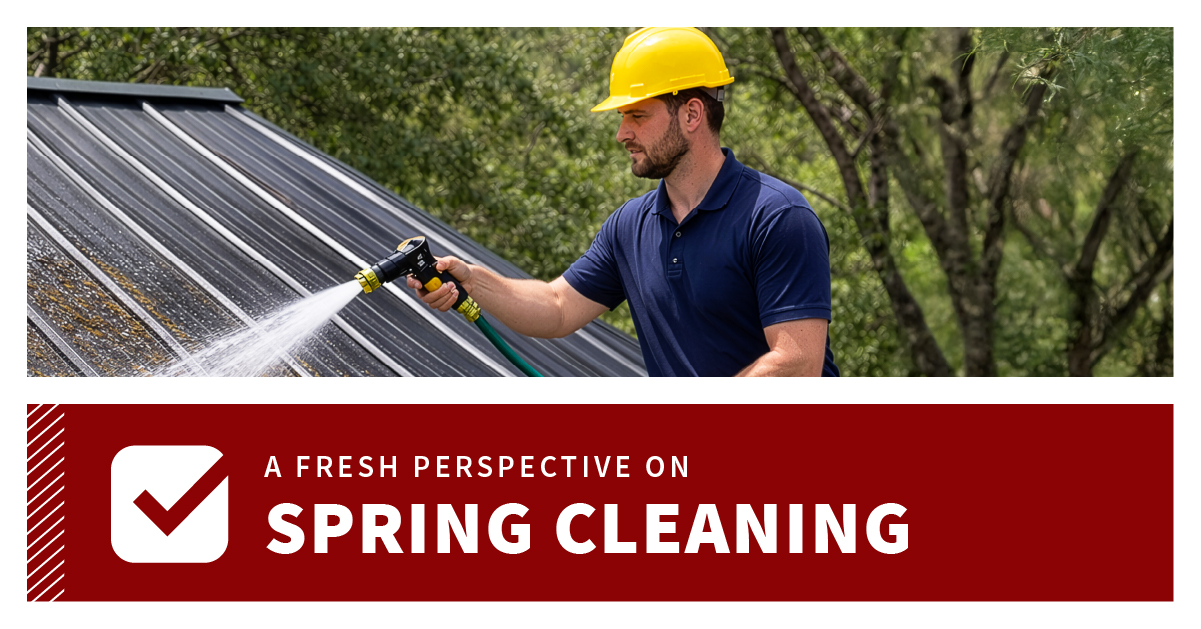
Spring into Action: Your Ultimate Home Maintenance Guide

This comprehensive guide will help you tackle your spring cleaning like a pro, ensuring your house is in top shape for the sunny days ahead.

Start from the Top: Roof and Gutters 

Begin your spring-cleaning journey by doing a thorough inspection of your roof and gutters. It’s essential to look for damaged metal panels, clogged gutters, and any signs of wear and tear that may have developed during the winter months. Fully functioning gutters are essential for directing rainwater away from your home’s foundation, helping prevent potential water damage and costly repairs. ABC provides an array of exceptional products to refresh your roof and make it both aesthetically appealing and extremely durable. We suggest the Slimline® panel, previously known as the SL-16®, which is known for being low maintenance. Additionally, the LokSeam® has become a fan favorite for its longevity as it helps prevent snow damage when properly designed and installed and has a contemporary look, making it a great choice for homeowners who want both functionality and style.  

While many primarily focus on cleaning the interior of their homes during the Spring, it’s crucial not to overlook your home’s first line of defense: the roof! While traditional shingles remain a popular choice, it’s worth noting that metal roofing panels can offer up to three times the lifespan of a shingled roof. Their unmatched durability makes them a smart investment for those looking to improve longevity and minimize future maintenance costs. 

»Pro Tip: For initial ground-level inspections, consider using binoculars to check for any potential roofing issues before bringing out your ladder.  

Check Those Tree Limbs 

Spring is the time when trees begin to bud again and regain their foliage, which also means that now is the perfect time to inspect for any damaged or overgrown limbs that could spell trouble for your roof – in particular, branches that are just a little too close for comfort. Trim back any limbs that pose a risk of falling or scratching your roof.  

As we embrace the renewal and growth that Spring signifies, we can’t forget that also means unwelcome guests like moss and mold can run rampant if not controlled. These nuisances can damage your roof and siding, leading to reduced energy efficiency and higher utility bills. If you spot this plant or fungus, consult with a professional as soon as possible and consider replacing it with a metal panel for easier upkeep. Our expert team can guide you through the process and provide suggestions tailored to meet your needs.  


Consider the Environment 

If being eco-friendly is a priority for you and your family, ABC has you covered. Our 2 ½ CORRUGATED panel is one of the most popular products due to its structural stability and strength benefits. For additional tips on how to maintain an environmentally friendly home, be sure to check out the information we’ve shared on Sustainability – consider it your resource for all things green. 

As for quick and easy ways to refresh your home’s exterior for Spring, a simple rinse with a garden hose can work wonders for your metal roof and siding, washing away the remnants of winter’s grime. Follow that up with some touch-up paint formulated for metal panels, and you’ll surely see an instant enhancement to your home’s curb appeal. If you want to avoid having to repaint chipped products for years to come, explore the various colors available for our panels. Our wide selection is versatile and fits many homes’ aesthetics. Also, remember to wipe down your windows inside and out for a crystal clear view of the flowers that the Springtime will bloom. You’ll be amazed at the transformation that comes from these seemingly small changes!


It’s important to remember that addressing these issues promptly can save you from hefty repairs down the line. If you’re uncertain about managing these tasks on your own, don’t hesitate to enlist the help of our experts, who can provide you with the guidance you need to take action towards a refreshed home for the season ahead.

Ready to give your home the care it deserves? Let’s quickly go over how to get started with your exterior home Spring Cleaning: 

  1. Start from the top of your home and work your way down. Check your roof for loose metal panels, missing sealants, clogged gutters, or any damage from the winter season.  
  2. Check for moss or fungus on both your roof and siding. Contact a professional to remove the fungus or plant and consider one of our suggested metal panels for a low maintenance replacement solution.
  3. Rinse your metal roof and wall panels for a fresh start. Consider replacing damaged siding with a low maintenance metal panel in a specified color to match your home style.
  4. Wipe down the inside and outside of your windows. 
  5. Gather and dispose of fall foliage around your home. 
  6. Evaluate if anything needs replacing. If so, give our experts a call today! 

By taking these steps, you will not only enhance the beauty of your home but also elevate safety and efficiency as you step into the blossoming Spring season.

5 Key Benefits of Metal Roofing for Enhanced Fire Safety

When selecting materials for your building project, roofing choices play a crucial role in the structure’s overall safety profile. Metal roofing has gained recognition among architects, builders, and property owners for its protective characteristics. Here are five important aspects to consider regarding metal roofing’s fire safety benefits.

1. Fire-Resistance Characteristics

Metal roofing materials are inherently non-combustible and can achieve Class A fire ratings when installed according to manufacturer specifications as part of a complete roofing system. Research indicates metal roofing typically resists ignition during exposure to heat. This resistance may provide an important layer of protection against certain external fire challenges.

2. Economic Considerations Over Time

Evaluating metal roofing often involves analyzing several potential long-term benefits:

  • Typically requires less frequent maintenance than some traditional options
  • Documented longevity often exceeding many conventional roofing materials
  • May contribute to building envelope protection
  • Some insurers may take roofing materials into account during policy evaluations

These factors can help inform the comprehensive assessment of metal roofing value.

3. Sustainability Attributes

When considering environmental impact, metal roofing offers several noteworthy characteristics:

  • Frequently manufactured using recycled materials (specific content varies)
  • Generally qualified as a recyclable building material at replacement
  • Certain finishes may help reduce cooling energy requirements A
  • Compatible with various green building standards and practices


4. Construction and Implementation

The practical aspects of metal roofing installation present distinct advantages in many building scenarios. Many metal roofing products feature a favorable strength-to-weight ratio that can streamline the installation process. Construction professionals can implement these systems efficiently while maintaining quality standards.

5. Aesthetic Versatility

The contemporary metal roofing marketplace offers extensive design flexibility. With options spanning numerous profiles, textures, colors, and finish types, metal roofing can harmonize with diverse architectural visions while incorporating its protective qualities. Decision-makers can explore options aligning with both performance requirements and design objectives.

When evaluating roofing solutions, metal systems warrant consideration for their distinctive combination of protective features, performance characteristics, and design adaptability. For projects ranging from residential to commercial applications, metal roofing represents a significant option among modern roofing alternatives.

Want to explore how metal roofing might enhance your project’s safety profile? Connect with our specialists to discuss solutions tailored to your specific building requirements.

Sustainability in Metal Roofing: Building a Greener Future with ABC

When it comes to building for the future, sustainability isn’t just a buzzword – it’s a priority. At American Building Components, we’re committed to providing solutions that stand the test of time and tread lightly on the planet. One of our standout offerings? Metal roofing. It’s durable, versatile, and, most importantly, a champion of eco-friendly construction. Let’s dive into why metal roofing is a sustainable choice and how ABC is helping lead the charge toward greener buildings. 


Key Takeaways 

  • Longevity: Metal roofs can last 50+ years, reducing replacements and waste. 
  • Recyclability: Made with recycled content and virtually 100% recyclable at end-of-life. 
  • Energy Savings: Reflective coatings help lower cooling costs; insulation aids winter efficiency. 
  • Durability: Weather-resilient, cutting repair needs and resource use. 
  • ABC’s Role: Sustainable roofing options and expert guidance for greener builds. 

The Eco-Friendly Edge of Metal Roofing 

Metal roofing has a lot going for it when it comes to sustainability. Unlike traditional asphalt shingles, which often end up in landfills after 15-20 years, metal roofs can last up to 50 years or more with minimal maintenance. That longevity means fewer replacements, less waste, and a smaller environmental footprint over time. But the benefits don’t stop there. 

One of the most significant advantages of metal roofing is its recyclability. Steel, aluminum, and other metals commonly used in roofing are among the most recycled materials on Earth. At the end of their long life, metal roof panels and trim can be fully recycled into new products – no landfill required. Many metal roofs today are already made with recycled content, closing the loop on resource use.  

Energy Efficiency That Pays Off 

Sustainability isn’t just about what happens at the end of a product’s life. It’s also about how it performs day to day. Metal roofing excels here, too. Its reflective properties can bounce sunlight away from a building, reducing heat absorption and keeping interiors cooler. This can translate to lower energy bills, especially in warmer climates, as air conditioning systems don’t have to work as hard. Pair a metal roof with a cool roof coating (available in a range of colors from ABC), and you’ve got an energy-efficient powerhouse that helps cut carbon emissions while saving you money. 

In colder seasons, metal roofs can be paired with proper insulation to retain heat, making them a year-round performer. By optimizing energy use, metal roofing can help buildings – whether homes, warehouses, or commercial spaces – operate more sustainably. 

A Smaller Carbon Footprint 

Producing metal roofing requires energy, but manufacturing advancements have made it cleaner than ever. At ABC, we prioritize low-impact production methods, reducing the carbon footprint of every panel we offer, and our plant network enables us to produce orders near the jobsite, optimizing transportation efficiency. 

It’s a win for the environment at every step. 

And let’s not forget durability. Metal roofs stand up to harsh weather – think heavy rain, high winds, or even hail – better than many other materials with proper design and installation. Fewer repairs and replacements mean fewer resources consumed over time. For building owners, that’s peace of mind; for the planet, it’s a reduction in waste and emissions. 

Supporting Sustainable Communities 

At ABC, we believe sustainability extends beyond the product – it’s about the bigger picture. Metal roofing supports resilient buildings that can serve communities for decades. Whether it’s a school, a factory, or a family home, a metal roof from ABC ensures long-term protection with a focus on sustainability. We’re also committed to educating our customers on sustainable building practices so you can make choices that align with your values and budget. 

Why Choose ABC for Your Metal Roofing? 

Our metal roofing solutions are designed with sustainability at their core. Not sure where to start? Our team is here to guide you through selecting the right metal roof for your project – whether it’s a retrofit or a new build. With ABC, you’re not just choosing a roof; you’re investing in a future where durability and eco-friendliness go hand in hand. 

Ready to explore how metal roofing can elevate your next project? Contact us today or browse our range of sustainable building components. Let’s build something strong, stylish, and sustainable – together. 

DISTRIBUTORS: Shop online at shop.abcmetalroofing.com!

How to Prevent Ice Dams on Metal Roofs

Those in areas prone to below-freezing temperatures are likely familiar with ice dams and the costly damage they can cause. With winter weather already upon us, it’s important to ensure your building is protected against the dangerous and expensive effects of ice dams.

What Causes Ice Dams to Develop?

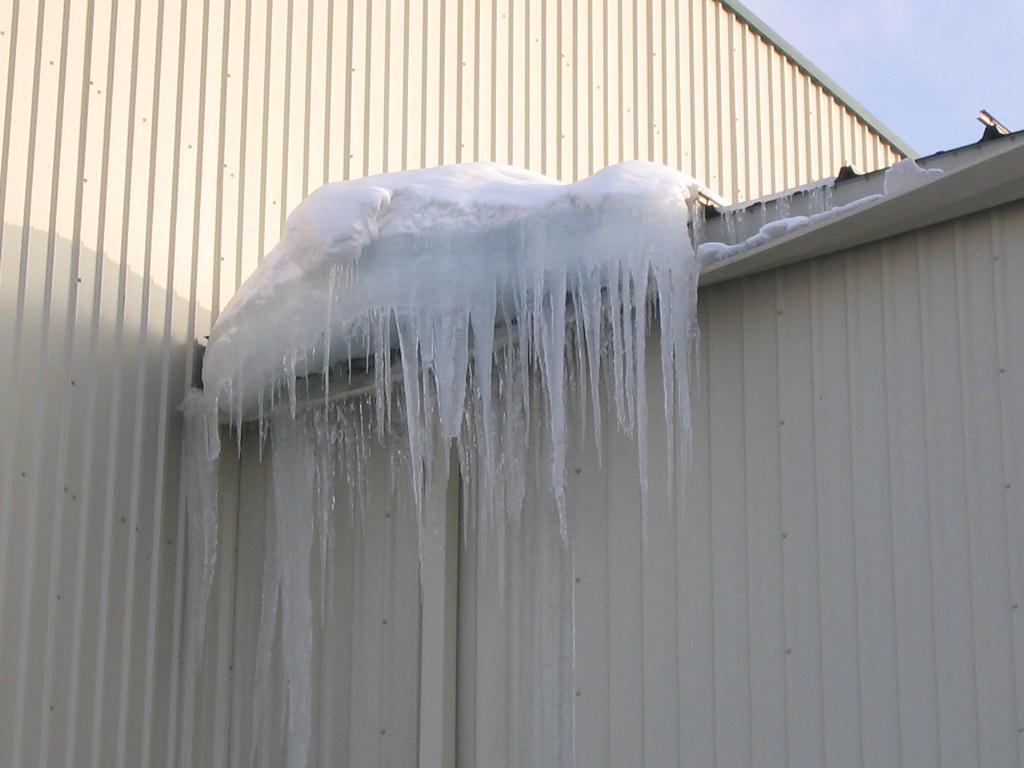
Most ice dams are a result of building air barrier flaws. When warm indoor air escapes through a rooftop, it warms the roof sheathing. This rise in temperature melts the underside of the layer of snow on top. The melted snow then moves down the slope of the roof toward the eaves, where it freezes into ice. As this process continues, the ice thickens, resulting in ice dams. These obstructions can cause water to back up and form a reservoir that can damage ceilings.

Ice Dams | ABC Blog

How Can Ice Dams Be Prevented?

To prevent ice dams, follow these four steps:

  1. Seal Air Leaks: Sealing air leaks between the warm building interior and the attic or ceiling is imperative to prevent increased sheathing temperatures that can lead to ice dams. If your roof leaks every winter, it’s likely that an air leak is to blame. And, getting a new roof is not likely to help—even if it features more ventilation. The simple way to determine if you have air leaks is to get into your attic and check. Leaks can likely be easily sealed with two-component polyurethane spray foam. And extending any exhaust fans that don’t reach outside can help adequately seal the structure.
  1. Ensure Proper Insulation: Many buildings don’t have adequate insulation levels to prevent ice damming. Building codes based on your geographic location can help you determine how much insulation you need. If the structure’s design doesn’t allow for adequate insulation, we recommend installing as much closed-cell spray polyurethane foam as possible. If replacing your roof, you can also install additional rigid foam insulation on top of the existing roof sheathing before you install the new roof. When taking that approach, make sure all products used are compatible with your new roof and adhere to manufacturer’s recommendations. It’s also imperative that attic insulation completely covers the top plates of a building’s exterior walls.
  1. Improve Ventilation: Improving ventilation alone will not prevent air leaks that cause ice damming and should never be your first or only defense. In fact, improving ventilation without sealing air leaks and installing adequate insulation can increase heating costs and make ice damming problems worse. Despite this, if combined with steps one and two above, addressing your roof ventilation can’t hurt. The best ventilation options include soffit and ridge vents. It’s important to remember that all attic ventilation systems require an insulation dam (blocking) between the trusses and ventilation baffles at the attic’s perimeter, facing the soffits, to maintain a ventilation channel from the soffit to the attic and protect against wind-wash.
  1. Use Underlayment: Covering your roof sheathing with two or more layers of rubberized membrane underlayment is another protection method that is far less effective if not used in concert with steps one and two. To use properly, it should extend from roof eaves to a point that’s three feet higher than your exterior wall.

Additional measures like framing your roof with raised-heel trusses can also help prevent ice dams. Additionally, avoiding including valleys as well as gutters that are at or above the roofing plane is ideal. Taking these steps can help ensure people and property are safe from overhead dangers. This should be a priority when designing, installing and maintaining your metal roof.

For additional information on how metal roofs perform in winter weather, read part one and part two of our ‘Metal Roofs and Snow’ blog series. For additional tips on how to winter-proof your roof, reach out to a local ABC representative today.

DISTRIBUTORS: Shop online at shop.abcmetalroofing.com!

When to Call a Metal Panel Manufacturer: Part II

In Part 1 of this series, the success of a metal roof or wall project can rest heavily on the installer’s ability to recognize issues. When that happens, calling the manufacturer is not just suggested, but imperative to ensure any potential problem is averted before it’s too late. In addition to issues like damage to the physical panel or problems with the fasteners discussed previously, let’s take a closer look at a few other common circumstances under which ABC recommends reaching out to the manufacturer:

Alignment and Substrate Issues

The installer is responsible for verifying the condition of the substrate and checking for proper alignment before attaching any sheeting materials. If the installer notices any issues like this (either before installation or once they begin laying panels), they should stop and address them immediately. This might include oil canning or other irregularities in panel appearance. The installer should investigate the source, and—if unable to identify and properly remedy the situation on their own—they should call to the manufacturer’s support team. They may be able to suggest ways to identify source of the problem—whether it be installation or manufacturing—and from there, make suggestions on how to best address the situation.


Accessories

Adding penetrative accessories such as snow guards or mechanical curbs to a roof or installing doors, windows or louvers to walls can impact the system, its weather-tightness and appearance. Oftentimes, accessory installers with little or no knowledge of metal sheeting systems come onto the job to perform accessory installation. In these cases, it’s wise to visit with manufacturer prior to installation of these accessories and to alert the non-metal panel installer of precautions the manufacturer suggests be taken.

The image at left represent several installation issues that could have been avoided by calling the metal manufacturer prior to installation. The piping used is not compatible with metal roofing and was not installed in such a way to prevent issues with roof performance, including leaking and water damage.

Manufacturer recommendations can vary based on the panel type and building slope, as well as on the accessory and fastener type, and installation location.

Another factor to consider when adding accessories to your metal building is that some material types can react negatively with the installed metal system and lead to damage as well as void manufacturers warranties. Since accessories can be make of many different types of material, any potential accessories should always be researched prior to installation to ensure the material type is compatible with your metal roof and/or wall system.


Panel Engagement

Panel systems are designed and engineered to attach and engage one another to ensure optimal performance. These specification are outlined in the manufacturer’s installation manuals and project drawings. If at any point the panel does not engage as depicted in the details, installation should be halted and reviewed to determine the cause. This can require a call to the manufacturer to help determine if the matter is site- and/or substrate-related or if it’s a manufacturing issue requiring replacement material.

Panel engagement issues that warrant ceasing installation and making a call to the manufacturer include:

  • laps are not nesting properly
  • clips are not engaging as they should
  • panel modularity can’t be controlled
  • panels aren’t “resting” on the substrate—causing excessive bowing and stress

Once the material is completely installed, it is much more difficult to determine the cause of a problem and is potentially more expensive to remedy. Additionally, in many cases, full installation constitutes acceptance of the product and the manufacturer’s hands could be tied or extremely limited in being able to assist in remedying after the fact.

By knowing when to be proactive with a call to the manufacturer, installers can mitigate many types of potential pitfalls. And if you’re just not sure, it’s best to call.

For more information on metal roof and wall products, visit us online or reach out to your local representative today!

When to Call a Metal Panel Manufacturer: Part 1

Each metal building installation is unique and even the most experienced of installers can run into trouble on a job. Whether a panel isn’t engaging properly, it’s not meeting stated tolerances or fasteners are missing or not working, anyone who takes on the task of installing metal panels needs to know when to call a metal panel manufacturer for support, guidance and resources at any time to ensure the success of their project.

ABC Blog: When to Call a Metal Panel Manufacturer

Manufacturer Resources:

While it’s not the manufacturer’s responsibility to guarantee their panels are installed correctly, reputable manufacturers should set installers up for success. They can do this by providing product resources and recommendations on how to alleviate or mitigate potential pitfalls, and by sharing tips on how to avoid common mistakes that other installers have made.

  • Product Installation Manuals and Construction Drawings: Before installation begins, the product installation manual and detailed construction drawings should be reviewed by the installer—especially if this is his or her first time working with the product. These resources contain all the product information needed as well as installation best practices. American Building Components makes product details and installation information available to metal panel dealers and distributors through shop.abcmetalroofing.com. If you’re a dealer or distributor, click here to learn more and sign up for an account!

Installation techniques can vary based on the unique dimensions of the panel as well as on the actual building design. When an issue arises that is beyond an installer’s expertise, it’s in the best interest of everyone involved to call a metal panel manufacturer for input before permanent mistakes are made.

When to Call a Metal Panel Manufacturer

Examples of when American Building Components recommends that an installer immediately call a metal panel manufacturer are:

  • Product Damage: Building owners may not always be able to recognize material damage and understand how it can be detrimental. Therefore, installers should always evaluate all building materials before any installation begins. If—after review—damage is suspected, the building owner should take pictures of the damage and notify the manufacturer immediately. The manufacturer will advise if the issue is minor and installation can begin, or if the panels should not be installed. The last thing you want to do is install damaged panels and have to uninstall them and wait for new materials. The impact of removing and replacing panels like this will significantly increase cost and delay the construction schedule.
  • Fastener Issues: The type of fastener used depends on the material they will be fastening to (substrate). If the substrate differs from what’s stated in the project details, check with the manufacturer to verify that the provided fasteners can be used. If the screws aren’t engaging properly, or there any problems with the fastener type. The manufacturer can advise how to move forward based on the project details. In short, substituting fasteners with ones not supplied by the manufacturer is never recommended.

Remember: no problem is too small to call a metal panel manufacturer for advice! In part two of this series, we’ll share more situations when calling the manufacturer will save time, money and headache. For more information on metal roof and wall products, visit us online or reach out to your local representative today!

Concealed v. Through-Fastened Metal Roof and Wall Panels: How to Choose

All metal panels—whether for commercial, residential, industrial or agricultural applications—are attached to the structure using either fasteners, clips or a combination of both that keep them in place. Vertical panels, in particular, are often categorized by the type of fastening method used to attach them, which is most often either using hidden/concealed fasteners or using an exposed (through-fastened) method. Here we’ll look at the benefits your customers can experience when using these common fastening types, as well as their differentiators, including price/budget, durability, aesthetics and ease of installation.

Concealed-Fastened Roofing Panels

Concealed-fastened panels are attached to the substrate with clips, which means the panels are not pierced to secure the connection. The clips and fasteners, therefore, are concealed underneath the metal panels when properly installed—arguably making the roof more aesthetically pleasing. These panels are offered in various styles, depending on which options your customers choose and additional job-specific considerations. This method is common in architectural and residential applications where a clean appearance and protection from environmental exposure are priorities.

Through-Fastened (Exposed) Roofing Panels

Through-fastened panels are generally attached with screws or nails, which puncture the overlapping roofing sections to lock the panels into place. They are also installed using washers, which provide leakage protection around the puncture hole. The fasteners are on the outside face of the panel and are visible even after the installation is complete.

So, how do your customers decide which option is right for their project? See below for some factors that can help them choose between a concealed- or through-fastened approach.

Key Considerations

Price/Budget:

Concealed: Typically, concealed-fastened panels can be more expensive overall due to the longer installation time required. In addition to increasing the labor cost, this installation method also takes longer, which affects your customer’s project schedule. However, ABC’s SL-16® panel can be installed faster and for about the same cost as exposed-fastened panel systems.

Through-fastened: While less expensive, through-fastened applications are more prone to issues. For example, if a washer fails, the screw can pop, which allows water in and can cause leaks and corrosion. While washer material is of a higher quality and more dependable than in the past, this is still a concern.

Durability:

Concealed: Because concealed fasteners have limited weather exposure, they therefore generally have a longer lifespan than panels with exposed fasteners. Additionally, there is less wear and tear since concealed panel fasteners are not as affected by the metal panel expansion and contraction that occurs when temperatures fluctuate as exposed-fastened panels are.

Through-fastened: Because concealed fasteners have limited weather exposure, they generally have a longer lifespan than panels with exposed fasteners. Additionally, there is less wear and tear since concealed panel fasteners are not as affected by the metal panel expansion and contraction that occurs when temperatures fluctuate as exposed-fastened panels are.

Aesthetics:

Concealed: Aesthetically, the main question is whether your customers want the screws to be visible or if it’s important that they are hidden. A concealed-fastened application is considered more aesthetically pleasing, as the lack of visible fasteners, creating a smooth, clean appearance. Generally, residential and architectural buildings favor concealed-fastened roofing panels.

Through-fastened: As stated, the hundreds of fasteners required to secure panels are exposed and visible on the outside of the panels. This method is often used on agricultural and industrial buildings, as clean aesthetics are usually less important for customers in these markets.

Ease of Installation:

Concealed: Installing concealed-fastened metal panel systems is time-consuming and complicated as compared to through-fastened. In fact, the complexity of the process dissuades many DIY installers from taking on the task.

Through-fastened: Exposed-fastened metal panel systems require less installation time as each fastener is drilled directly onto the outside of the panels. This makes it the method of choice for the majority of DIY installers. Overall, this method works well with simple structures but can be difficult to use on more complex projects. It should also be noted that through-fastened panels should be installed with care so that there is proper sealing. There also may be length limitations due to thermal movement.

Conclusion

The type of fastener system your customers choose for a given metal panel project will depend on a wide array of factors—budget, durability, aesthetics and ease of installation. Making the right choice is one step in ensuring the success and integrity of their building for years to come.

For more information on ABC’s concealed and through-fastened metal panels, visit our website. As always, our team is ready to help with your metal panel needs, so reach out to your local representative today!