The Benefits of Metal Panels for Barndominiums

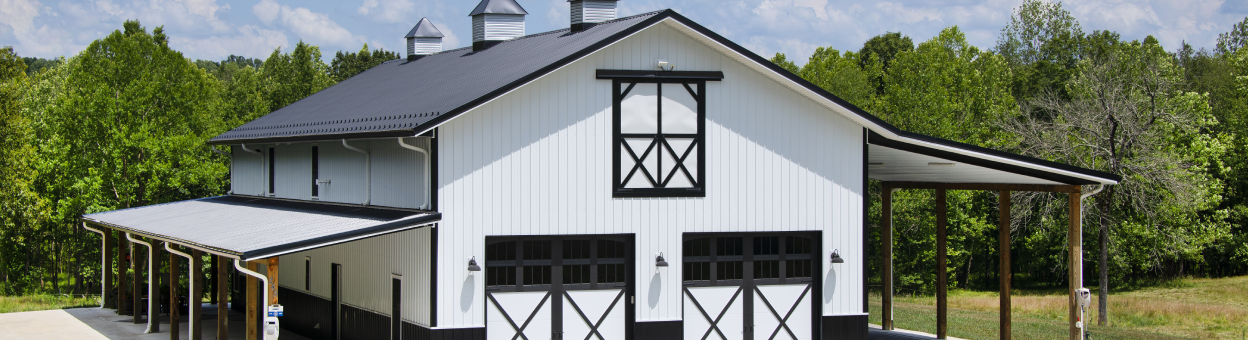
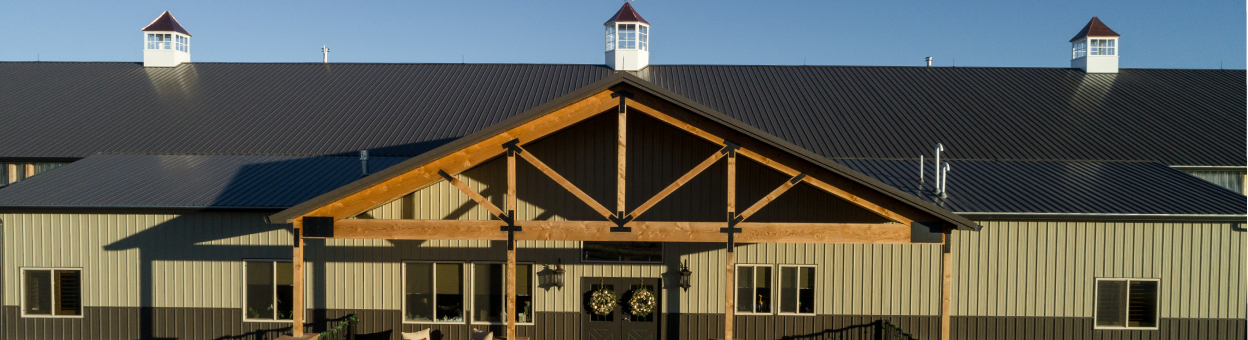
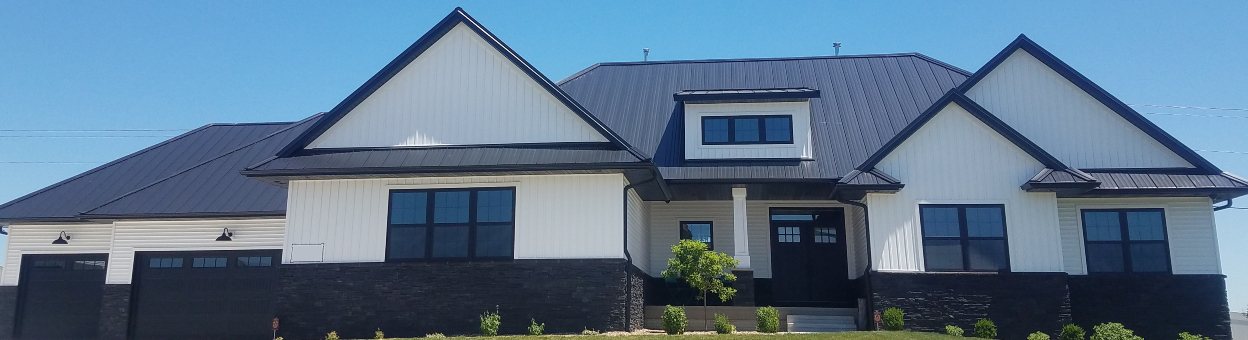
Another alternative residential construction trend gaining momentum (like tiny homes) is the “barndominium” movement.  Barndominiums are typically metal buildings that have been transformed from industrial or agricultural structures into residences boasting affordability, low maintenance and energy efficiency. These structures stand apart from traditional and tiny homes in that they may literally have been a barn or warehouse that has been renovated to include several rooms, bathrooms, kitchens and other living areas. They often have open floor plans and can also be dual-purpose—combining a residence with areas used for other functions such as offices, garages, workshops, places of worship or meeting centers.

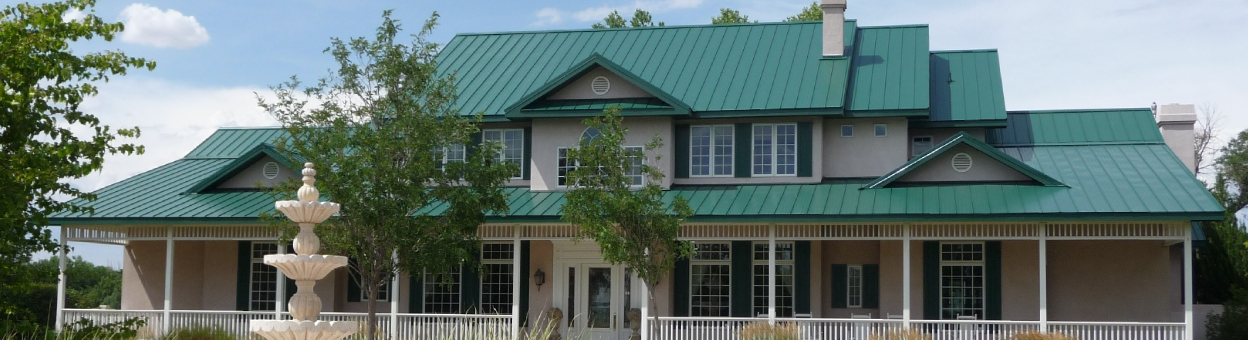
Barndomiums are highly customizable and can offer your customers all the creative possibilities of a traditional home. Like their standard tiny home counterparts, they deliver a low-maintenance lifestyle at a more affordable price. With a barndominium, you customers have the opportunity to live in a larger space and to incorporate larger workspaces into one inclusive property.

Generally, these high-functioning, low-cost structures include everything your customers would expect in a residential structure: energy-efficient windows, stained concrete floors, engineered concrete slabs, spray foam insulation, plumbing and even 9-foot ceilings. In addition to basic living space and plumbing, barndominiums can offer specialized add-on options such as air-conditioning units, hardwood floors and even hot tubs. What most barndominiums have in common is that they are usually made of metal.

Why Choose Metal Roof/ Siding for Barndominiums?

Developing a barndominium usually means your customers will be working with a steel post-frame building, which naturally lends itself to the use of metal as the primary material for the entire construction. Building with metal will mean less concern about roofing and foundation problems, as well as other issues commonly encountered with a traditionally-built home.

Metal roofing and siding solutions for barndominiums carry the same benefits as for tiny homes—or any other structure for that matter. Beyond color choice and aesthetics, metal panels are readily available and offer durability, wind resistance and recyclability—all contributing to overall cost-effectiveness and long-term sustainability. While there are other roofing materials that can be used, metal remains the go-to choice for your customers who are embarking on a barndominium project.

Bottom Line Benefit:

But isn’t metal roofing more expensive? The initial cost of a metal roof does exceed other materials, such as asphalt, slate or tile; it’s understandable that this could give your customers pause. Industry statistics estimate that the average cost per square foot for a metal roof is approximately $3.00, compared to asphalt shingles at $1.50. This up-front cost, however, is just the first part of a much larger story. Metal provides improved strength and durability, resulting in significantly lower maintenance and energy costs for your customers over time. Over a metal roof’s lifespan, in fact, shingles can cost just as much, if not more, contributing to the cost-efficiency of the design and construction.

Additionally, since metal barndominiums can be pre-engineered and prefabricated offsite, new construction costs are reduced throughout the entire process—from design through to construction. This means measurable savings in labor costs due to a streamlined, abbreviated construction timeline.

Expert Advice:

While barndominiums might be the wave of the future, there are still some practical factors your customers should keep in mind:

Compliance: For one, since barndominiums may have the unique function of serving as both a living and working space, it is important that your customers check (in advance!) local zoning regulations to ensure the property is zoned for a metal barndominium. Also, ensure the building materials chosen are suited to the specific climate and location.

Quality: Furthermore, and perhaps most important, they should make sure the manufacturer is reputable and that the materials used are efficient and of high-quality, which should equate to better warranties and longer life expectancy for the structure.

For more information on metal panels for barndominiums, including recommendations on panel types and gauges for barndominium applications, please contact an American Building Components representative near you.
Metal Panels for Tiny Homes: Part 2

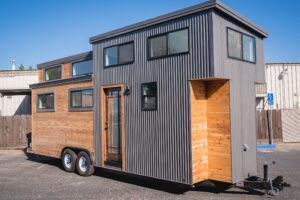
California Tiny Home

COPYRIGHT DC PHOTOGRAPHY STUDIOS.


In the first article in our three-part series on tiny homes we presented an overview of the tiny home trend, including lifestyle considerations and cost benefits. In the second installment, we discussed how tiny homes are built with the same types of materials, construction and aesthetics you find in larger, traditional residences. Metal panels—a popular material choice for tiny homes—provide advantages such as affordability, mobility and customization. Some additional factors in choosing metal panels for tiny home construction are weather, installation and maintenance. Here we’ll take a look at these considerations in a bit more detail.

Weather Considerations:

While building tiny homes in mild climates can be pretty straightforward, there are many built in locations that must take specific weather conditions into consideration. Just as with traditional homes, tiny homes exposed to freezing temperatures need to be winterized to keep everything functioning, and can be heavily insulated, built with air-tight, double-paned windows and designed and oriented for optimum sun exposure to keep the heat in. For warmer climates and seasons, tiny homes designed to optimize air flow and fitted with adjustable shading to protect you from the sun’s heat can be an addition to more traditional temperature regulation methods, which should of course be properly installed and serviced.

When it comes to preparing for extreme weather, there are very few additional precautions to be taken in comparison with traditional single-family homes. One exception is that tiny homes should be built with hurricane ties and straps, earthquake tie-downs and other anchors to secure the structure. Building to codes specific to any area you would plan to take your tiny home is vital to ensuring it remains undamaged and you remain safe.

The Metal Panel Difference: Metal panels from American Building Components are designed and manufactured with several environmental considerations in mind. For areas prone to hurricanes and other tropical activity, ABC offers wind-tested metal panels built to withstand gusts of up to 140 miles per hour. This strength and durability is also important for those who plan to haul their tiny homes on highways at high speeds. If heavy snow and ice are common during your winters, the fast-shedding nature of metal panel makes them ideal. Eco-friendly insulated metal panels for roof and wall applications and cool metal roofs can also help regulate the temperature of your home and offer additional energy efficiency. Metal panels are also fire resistant (unlike thatched roofs, which are a fire hazard) and can withstand hailstorms and other extreme weather events. Your metal roofing manufacturer can provide advice based on your environmental needs.

Installation and Maintenance:

Understanding the maintenance requirements of any building material used to construct a tiny home is essential to maximizing the lifespan of the structure, safeguarding your investment and reducing any headaches that could arise from poor planning and inattention to the detail. It is, therefore, important that you fully understand the material you are using and that you follow the manufacturer’s installation and maintenance instructions, which should be made readily available to you. Also, be sure to read and understand any product warranties to ensure you know about any exclusions or requirements.

The Metal Panel Difference: One caveat with metal panels for tiny homes is the precision that installers (or DIY’ers) need to use in order to get the most value out of the material. While metal panels require a greater level of accuracy during the installation process, the benefits far outweigh the challenges. Resources on how to install and care for metal panels are abundant. In addition to referencing the manufacturer’s installation manuals, you can check out their how-to videos and lean on their customer service team for support and installer recommendations.

To extend the lifespan and strength of metal panels for tiny homes, maintenance consists mostly of preventing and correcting issues such as damage from the build-up of debris as well as storm-related traumas like hail stones, falling branches, etc. For specific maintenance tips, check out our recent blog on metal panel maintenance.

The last word

The benefits metal panels offer make their use for tiny home building a no-brainer. While homes made from other materials lose value over time, metal roofs provide long-term performance and environmental benefits, cost efficiencies and extended durability for the tiny home community. For more information on ABC’s metal panels, visit our website or contact a representative today.

Metal Panels for Tiny Homes: Part 1

In our previous blog post on tiny homes, we looked at the tiny home trend and outlined some of the pros, cons and lifestyle considerations for those interested in pursuing this increasingly popular, yet untraditional approach to housing. One of the obvious benefits is affordability, as the mere reduction of square footage lowers costs in terms of materials, labor, energy and maintenance, to name a few. Tiny homes are built with the same types of materials, construction and aesthetics you find in larger, traditional residences. Not surprisingly, metal panels are a popular material choice. Here we’ll look at the mobility and customization aspects of tiny homes and the additional advantages of choosing metal panels for tiny home construction.

Mobility

Tiny homes are typically built on trailer platforms with wheels (instead of a foundation), enabling them to be driven across the country. This mobility, however, demands that these homes are built to endure the hurricane-force winds of high-speed highway travel … no easy feat for any home.

The Metal Panel Difference: To ensure they can travel 65 mph on highways into 20 mph winds (the equivalent wind-load of a stationary house during a hurricane), many tiny home builders are turning to metal panels instead of more traditional building materials. Unlike with asphalt composition roofs, metal roofs do not need to be covered every time they’re moved as there is no concern over losing shingles while in transit.

Customization

Most homes purchased these days are significantly customizable and tiny homes are no exception. In addition to traditional customization like varying floor plans, paint color, floor material, fixture style, and interior and exterior decoration, there are also many eco-friendly customization options. Tiny homes can be built by recycling previously-used structures like shipping containers and transforming them into a living space, and can feature rainwater collection systems, composting toilets and solar array options for those looking to take their tiny homes “off the grid”. Tiny homes can also be made to be fully wheelchair accessible, as well as infant and toddler-friendly.

The Metal Panel Difference: A common misconception is that metal panels are only suitable for commercial applications. However, because they are available in a wide variety of styles, profiles and colors, metal roof and wall panels complement any residential structure, including tiny homes, making it easy to find the look that’s right for you. Beyond color choice and overall aesthetics, metal panels are manufactured and produced to provide a higher-quality building material option, giving you the aesthetic you want along with the durability you need.

The last word

The benefits metal panels offer make their use for tiny home building a no-brainer. While homes made from other materials lose value over time, metal roofs provide long-term performance and environmental benefits, cost efficiencies and extended durability for the tiny home community. For more information on ABC’s metal panels, visit our website or contact a representative today.

In the next installment of our Tiny Home series, where we go into further detail about the considerations and advantages of metal panels for tiny homes. Metal Panels for Tiny Homes: Part 2 will provide practical guidance on weather considerations, installation and maintenance.

A Big Idea: An Introduction to Tiny Homes

Tiny homes are more than just a passing trend popularized by television shows, opinion editorials and blogs; they are a movement born out of a growing need and desire of homeowners to downsize, customize and simplify—all the while maintaining maximum function and style. Tiny homes, in fact, offer their residents big living opportunities through their inherent cost savings and mobility, which has resulted in Tiny Home Communities popping up across the country and even around the world. But what exactly is a tiny home and why are more and more people bucking tradition to live in them?

What is a Tiny Home?

While there is no hard and set rule about what constitutes a tiny house. They are—in short—residential structures that typically measure between 100 and 400 sq./ft.; the standard newly purchased U.S. single family home takes up nearly 2,100 sq./ft.1 These homes feature the same types of materials, construction and aesthetics you find in their larger, more permanent counterparts.

Can you really live in a Tiny Home?

Tiny homes certainly aren’t for everyone. If you have a large or growing family, or just enjoy having tons of space in which to live and entertain, you’re probably better off sticking with the traditionally-sized home. However, if you’re looking for a more affordable option, need a guest house, or are looking for a low-cost vacation home, tiny homes might be a great fit for you. In addition to being used as full-time residences, tiny homes are also used as short-term rental properties, and to house the homeless and those displaced as a result of destructive weather events.

Many of the concerns people have about living in a tiny home center around their need to have room for all of the things they possess: furniture, clothes, entertainment, knick-knacks, etc. It is true that those who choose to live in a tiny home shed many of their material possessions for a simpler, more minimalistic lifestyle. However, tiny homes can also be custom-built to feature loads of strategically-designed storage space to suit your lifestyle. You also don’t have to give up modern conveniences when living in a tiny home. These smaller spaces make use of generally unused or underutilized spaces to house full-size washer and dryer units, refrigerators, ovens and showers, as well as queen-size beds and fireplaces.

California Tiny Home
COPYRIGHT DC PHOTOGRAPHY STUDIOS

Cost Advantages of a Tiny Home: Affordability

The average cost to build a tiny house is $23,000 if built by the owner as compared to the $272,000 average cost for a standard-size house before interest2. In a time when a staggering 46 percent of Americans would either have to borrow money or sell something in order to cover a $400 emergency expense (as reported by the Federal Reserve Board in a recent survey), this in an attractive idea. Additionally, considering the slow-growing economy has done little to increase wages, it’s not surprising that spending one third or even one half of their monthly income on living expenses has left approximately 75 percent of American workers across a range of education and income levels living paycheck to paycheck. This includes nine percent of people earning $100,000 or more per year who feel they usually or always struggle to make ends meet (Harris Poll).

The Metal Panel Difference: While metal can—in some cases—be more expensive that more traditional building materials when initially purchased, their value is long-term in the form of increased durability, wind-resistance, fewer maintenance requirements, cost-saving energy efficiency, and inherent strength and structural integrity. In fact, over a metal roof’s lifespan (about 60 years), traditional shingles can cost just as much, if not more.3 Read more about the long-term value of metal panels here.

So while some buyers may be aiming to minimize their carbon footprint and live more simplistically, many people are looking to realize the economic benefits tiny homes offer. For them, the long-term durability and overall debt reduction thanks to lower purchase prices and taxes, reduced energy and maintenance costs, and more time living mortgage-free is driving them down this here-to-fore unusual path.

Want More Information on Tiny Homes?

In the next two blog articles in our Tiny Home series, we go into more detail about the advantages of metal panels for tiny homes. Metal Panels for Tiny Homes Part 1 will discuss mobility and customization; Part 2 will provide practical guidance on weather considerations, installation and maintenance.

For more information on metal panels for Tiny Homes, visit our website or contact your local sales representative.


References:

  1. thttp://www.nahbclassic.org/generic.aspx?sectionID=734&genericContentID=196904&channelID=311
  2. gov
  3. org/barndominium/


Safety and Savings Courtesy of Metal Panels

Most people understand that buildings outfitted with secure, storm-resistant roofing material like metal are less prone to damage from hurricanes, hail storms and other damaging weather events. Not only does this strength provide safety and security for the building owner, but those qualities also translate into cost-savings outside of what’s saved due the longer lifespan and lower maintenance requirements of metal panels.

Metal Panels deliver strength and savings

Safety in Strength

Metal roofs are made to last. Thick panels, properly installed and maintained, have a lifespan of up to 50 years under normal circumstances—double that of most asphalt shingle roofs. To ensure that lifespan, metal roofing manufacturers perform rigorous tests (according to strict ASTM standards) that document performance under a range of environmental traumas. These tests confirm that, compared to other surfaces, metal offers superior performance when subjected to the following:

Hail

Even the most basic metal roof is a shield against hail damage, but of course some products and roof designs offer even greater protection. To protect against hail damage, the optimal option is a heavy-gauge metal panel roof installed over solid plywood or oriented strand board (OSB) sheathing. Two of the most comprehensive post-storm studies found that such roofs survived even the biggest hailstones without punctures or leakage.[i] In the worst cases, the damage to the metal was only cosmetic.

Wind and water

Metal roofs can withstand wind gusts as strong as 140 mph. Because they consist of large interlocking panels, they’re less susceptible to uplift than individual asphalt shingles and offer fewer entry points for water.

In addition, the synthetic underlayments used by professional roofers are 20 times stronger than felt, so in the unlikely event that the roof is punctured there is a much lower chance that water will get into the structure. (Synthetic underlayments also stay as much as 25 degrees cooler on a hot, sunny day and include an anti-skid coating that keeps roofers safer during installation.)

Wildfire

We’ve all seen pictures of metal-roofed homes that have survived wildfires while the surrounding structures burned to the ground.[ii] It makes sense: metal panels hold a Class A fire-resistant rating (the highest possible), making a metal roof installed over a fire-resistant cap sheet the optimal combination in fire-prone areas. In fact, a publication from the UCLA School of Architecture urges homeowners rebuilding in wildfire zones to use non-combustible roofing and siding. It also cautions against the use of clay tiles, which can develop cracks that allow wind to drive burning embers into the attic.[iii]

Lightning

Many people ask about metal roofing’s lightning resistance: does its conductivity make it more susceptible to strikes? The answer is no: not only is a home with a metal roof no more prone to this than any other structure, but if it is struck by lightning the large metal surface will do a good job of safely dispersing that energy.[iv] And because metal is not flammable, a strike is much less likely to start a fire, which is often the most devastating result of a lightning strike.

Continual Savings

Confirmation of metal’s durability and safety comes from a third party business with a real stake in the matter: the insurance industry. Some insurance companies offer lower premiums for the use of qualifying wind- and impact-resistant roofing materials like metal. These include large national insurers like State Farm and Nationwide, which offer discounts in 26 states plus one Canadian province for certain roofing products with Class 4 wind ratings. Most metal roofing manufacturers, including American Building Components, have several products on their lists.

For more information on ABC’s roof products, please visit our website or contact your local representative today.


[i] http://www.constructionmagnet.com/metal-roofing-magazine/metal-vs-mother-nature-hail

[ii] http://photoblog.nbcnews.com/_news/2012/08/16/13314843-lone-house-surrounded-by-scorched-earth-survives-wildfire?lite

[iii] http://www.energy-design-tools.aud.ucla.edu/FIRES.html

[iv] http://www.metalroofing.com/v2/content/guide/newsletters/04-0701.cfm

Maintaining, Cleaning & Repairing Metal Panels

Understanding the maintenance requirements of your metal panels is essential to maximizing the longevity of your investment with the least amount of hassle. While metal panels have been engineered to provide decades of trouble-free protection, they can suffer damage from the build-up of debris as well as storm-related traumas like hail stones, falling branches and ice dams. To extend the lifespan and strength of metal panels, maintenance consists mostly of preventing and correcting these issues.

metal roofing maintenance tips

 The importance of regular inspections

Regular inspections are critical to identifying damaged panels and accumulated debris that can trap moisture, causing corrosion over time. To prevent this, a visual inspection should be performed in the spring and the fall of each year, as well as after major weather events to identify issues. Take a walk around the structure and look for leaves, branches and other debris piled up on the roof, including in valleys, gutters and downspouts, as well as behind chimneys and/or other protrusions. While you can perform this type of inspection yourself, please keep in mind that metal panels—particularly metal roofs—should be professionally inspected every four to five years depending on your geographic location. If you live in a coastal or humid area more prone to corrosion and rust, professional inspections should be done more frequently to prevent the rust from spreading and causing structural damage to the panels.

In addition to debris, keep an eye out for scratched or dented areas, as well as for loose screws and seams that look like they are separating. (If you can’t make out the details from the ground, try using a pair of binoculars.). Use the manufacturer’s recommended touch-up paint to correct scratches as they can quickly degrade the surface protection and jeopardize the longevity of metal panels. If the panels have separating seams or holes, first check to see if the repair is partly or fully covered by your warranty. Unless you are experienced in metal roof repair and possess a thorough knowledge of the products and techniques that can be used without voiding the warranty, it is recommended that you engage a metal panel repair specialist to make the repairs. If you decide to undertake the work yourself, it is also important to remember that these fixes are, at best, temporary and should be addressed by a professional recommended by the metal panel manufacturer.

Cleaning metal panels

Keeping metal panels clean is one of the best ways to ensure they last as long as possible. When cleaning metal roofs and walls, using a non-pressure cleaning method with detergents recommended by the metal panel manufacturer is ideal. It is not advisable to use metal tools such as rakes to remove debris. This is likely to scratch the paint, reducing the panels protection from the elements and other damaging factors. Using a leaf blower to remove debris is a common choice, but a long-handled push-broom or a telescoping pole with a window cleaning brush will also do the job. Ideally, the tool should be one that lets you do the removal from the ground, but if you absolutely must walk on the roof then only step on the flat areas. If there are areas you can’t access yourself—particularly slanted areas that have been made slippery with cleaning solutions—hiring a professional service to do this once or twice a year is the safest option.

To reduce the chance of further damage and keep your panels cleaner over longer periods of time, trim tree branches as far back from the building as possible. This is especially important for large, unhealthy branches that could break off during high winds and cause damage.

Proper snow removal

There are—of course—considerations that must be made for metal buildings located in colder climates. After a winter storm, it’s a good idea to remove standing snow from the roof. This is doubly important on older homes where poor attic insulation can lead to ice dams. An ice dam forms when heat escaping from inside the attic warms the roof and melts the bottom layer of snow. The snowmelt then re-freezes, creating a dam that traps water which can work its way into seams between panels and around flashings.

Warranty considerations

It’s always smart to reference the metal panel manufacturer’s warranty to be sure you don’t use any products or tools that will void your warranty. They should also provide instructions and advice specific to the panels and application(s) you’ve selected to ensure you get the most out of their products with the least hassle.

For more information on metal panels, check out ABC’s FAQ page. For more on our metal panels and accessories, please visit our product pages or contact your local representative today.

Cool Metal Roofs Save Energy and Cost

Metal panels are a cool addition to your building in more ways than one. Besides looking great, a metal roof is a simple and effective way to make you more comfortable in warmer months while cutting your energy use and providing potential tax savings.

What is a cool roof?

A “cool roof” is one that’s both reflective and emissive. That is, it reflects sunlight and re-radiates absorbed heat back to the sky before that heat can work its way into the structure. Measured surface temperatures of cool roofs are as much as 50 degrees lower than those of conventional roofs[1] so the building’s interior is less prone to heat up, as are any ducts running through the structure. The benefits are obvious: your rooms are naturally cooler and don’t require the air conditioner to work as hard, and you enjoy lower electric bills. In fact, the US Department of Energy (DOE) reports energy savings as high as 15 percent for homes with cool roofs.[2]

And if you’re building a new home, a cool roof may reduce construction costs by letting you install a smaller air conditioning system.


cool metal roofing


Cool Metal Roofs are both reflective and emissive.


How it works

In technical terms, these benefits are thanks to cool metal roofing’s high solar reflectance and high emissivity. The solar reflectance is used in determining ENERGY STAR® compliance.  When solar reflectance is calculated with thermal emissivity, in accordance with ASTM E1980, the result is the solar reflectance index or SRI. SRI is stated in whole numbers from 0 to 100, with the higher numbers indicating better performance. Tests done at Lawrence Berkeley National Lab (LBNL) found that metal roofs painted with white coatings have SRIs from 71 to 82. By contrast, white asphalt shingles earn at maximum an SRI range of just 21 to 40.[3] This indicates cool metal roofs perform three to four times better than white asphalt shingles.

The LBNL data is for white roofs, but metal has a much wider range of cool colors. Yes, white is more naturally reflective—you will feel cooler on a hot, sunny day when wearing a white shirt as opposed to a black one—but with metal panels, it’s not just about color. A broad range of paints for metal panels have chemical additives that increase their cool properties.

Tax benefits

If you need any more incentive, there’s another benefit to installing a cool roof. As mentioned in our metal roof tax credits blog, if you re-roof your primary residence using an ENERGY STAR® certified metal roofing product before Dec. 31, 2016, you are eligible to receive a tax credit. And in fact, ABC has 28 colors that are ENERGY STAR qualified for steep-slope roofs.  Simply include a copy of the manufacturer’s Certification Statement for those panels with Tax Form 5695 with your tax return to qualify for a $500 tax credit.

For more information on ABC’s cool roof products, please visit our website or contact your local representative today.

References:

[1] http://energy.gov/energysaver/cool-roofs

[2] https://www.youtube.com/watch?v=urbpBy_Z5lE

[3] http://energy.lbl.gov/coolroof/

Galvalume® vs. Galvanized Metal Roofing

Galvalume® vs. Galvanized Metal Roofing

Selecting metal panels made from high-quality materials is essential to the longevity and success of your customer’s metal roofing system—from the steel sheets to the fasteners. Although the quality of the paint system applied to metal roofing panels provides an essential level of protection (as discussed in our recent ‘Decoding Your Warranty’ blog series), not to be overlooked is the coating used on metal roofing panels. Two coatings are commonly used on steel sheeting in the metal panel industry today: Galvalume® and Galvanized. Both products are manufactured to adhere to carbon sheeting and provide a barrier that resists corrosion. Additionally, they enhance long-term water-tightness and durability, ensuring resilience through damaging weather conditions. But what exactly are the differences between Galvalume® and Galvanized?

What is Galvalume® metal?

Introduced into the construction marketplace by Bethlehem Steel in 1972 and now widely available around the world, Galvalume® is carbon steel sheeting coated with aluminum-zinc alloy by a continuous hot-dip process. Composed of 55 percent aluminum and approximately 45 percent zinc, this coating combines the best properties of both metals. It has the corrosion resistance, high temperature oxidation resistance and heat reflectivity typical of aluminum coatings, with the formability and galvanic protection of cut edges characteristic of zinc coatings. This combination makes it ideal for most types of roofing and siding. In addition, the coating also contains a small but significant amount of silicon in the alloy—not to enhance the corrosion performance, but to ensure optimal coating adhesion to the steel substrate when roll-formed, drawn or bent during fabrication.

 What is Galvanized metal?

Galvanized Sheet is carbon steel sheet coated with zinc on two sides by a continuous hot-dip process. This method tightly adheres the coating to the steel with an iron-zinc alloy bonding layer formed by a diffusion process while the heated steel strip is in contact with the molten zinc.

What is the difference between Galvalume® & Galvanized roofing?

While both products were developed to essentially sacrifice themselves to protect the steel sheeting they coat, the above exposure comparison shows that Galvalume® performs (up to nine times) better in fighting corrosion as compared to Galvanized coating. While Galvalume® can initially show signs of corrosion faster than Galvanized, it has a sacrificial property that will prevent the corrosion from growing whereas once corrosion has started on a Galvanized panel, it can continue to corrode until panel integrity is lost. According to a study released by the Metal Construction and Zinc Aluminum Coaters associations, the longevity of a low-slope unpainted Galvalume® standing-seam roof is 60 years  (See the full report.)  Additionally, primer and paint adhere better to Galvalume®-coated panels and they carry a 20-year limited warranty while galvanized panels do not, making them a smarter long-term investment for your customers’ homes, agricultural buildings or commercial properties.

Important Facts About Galvalume®

  • Galvalume® should not come in direct contact with: standing water, dissimilar metals (copper, lead, iron), harsh chemicals, graphite pencil, masonry products or treated lumber.
  • Proper roof inspections and maintenance is still required, as with any other roof system.

Its versatility, ease of use, aesthetic appeal and long-term, service life-extending performance makes Galvalume-coated steel roof panels the most economical and sustainable coating option for your customers’ new and retrofit applications. To learn more about Galvalume®, please visit  http://www.galvalume.com/. To view ABC’s Galvalume® Plus products, which are easy to form and install safely due to the thin, clear acrylic coating that allows them to be roll-formed dry without vanishing oil, please see our color resources and Galvalume® warranty information.

Spotlight on Underlayment: Synthetic vs Felt

What’s under your customer’s metal roof matters.

Roof underlayment is the first layer of material laid prior to the metal roofing panels. It separates the roof covering from the roof deck, thus protecting it from detrimental resins, unevenness and—in re-roofing applications—fasteners and other old building materials. This water-shedding layer also provides secondary protection from weather, shields the roof deck during construction and is often required for warranty adherence and for roofs that must meet Underwriter’s Laboratory (UL) fire ratings. Outside of its traditional use, synthetic underlayment can also offer a myriad of benefits for your customers.

Synthetic vs Felt

Felt underlayment, also known as “felt paper” has been the traditional underlayment of choice for decades. It was used to prevent damage to the roof covering caused by sap leakage from wooden building materials, however—as even most wood structures are now constructed using plywood or other, non-wood materials—this is no longer an issue. Felt underlayment is saturated with asphalt composed of volatile compounds that dissipate over time. This makes it more fragile and likely to absorb moisture, which further weakens the roof. This deterioration is accelerated when asphalt is exposed to UV rays, heat, poor ventilation and less energy-efficient roof coverings. Additionally, the crude oil refining techniques that previously resulted in the creation of asphalt as a byproduct, now extract the maximum amount of product from the crude resource. As a result of this advancement in the refining process, only a powder-like residue that is not conducive to the development of asphalt is generated. Consequently, more customers are turning to a synthetic alternative for a longer-lasting, economically-efficient solution.

Compared to traditional organic felt, synthetic underlayment is significantly more lightweight, permitting many more squares per roll, which makes it an economical solution for your customers. While non-woven materials are generally moisture permeable, woven scrim synthetic roof underlayment greatly enhances tear resistance and ease of installation. While it can be designed to be moisture-permeable, synthetic underlayment is typically manufactured as a barrier that doesn’t absorb moisture, making it resistant to fungal growth and wrinkling.

Underlayment Requirements and Resources

Although synthetic underlayment may be the superior choice for your customers, it is imperative that its use does not violate building code requirements or manufacturer’s warranties for the intended roof covering and that it is installed according to the manufacturer’s provided instructions.

The International Code Council (ICC) has developed a single set of comprehensive and coordinated national model codes and standards used in the design, build and compliance processes to ensure the safe, sustainable and affordable construction of structures. The ICC’s set of International Codes (I-Codes) are available for purchase, and include, among others:
·         International Building Code (IBC)

  • International Energy Conservation Code (IECC)
  • International Fire Code (IFC)
  • International Green Construction Code (IgCC)
  • International Residential Code (IRC)

Of particular importance to the roofing industry are the IRC and IBC I-Codes. These codes include specific underlayment requirements and installation/ attachment directions for simple enforcement by inspectors. Provided in Chapter 9 of the 2015 IRC and Chapter 15 of the IBC, they cover material types, application and attachment requirements, including specific information for metal panels with denotations for variances specific to high-wind areas.

Because of the wide variety of underlayment and metal panel styles, the IRC and IBC require installation according to manufacturer’s instructions. In the absence of manufacturers’ instructions and/ or when using alternative materials, the specific requirements outlined in the IRC and IBC I-Codes should be used where applicable. Remember, a metal roof is designed to have a long service life, and the underlayment’s service life should at least match that of the metal roof. Don’t allow your customers to be shortsighted when designing for longevity by using an underlayment not guaranteed to last for the duration of their roof.


ABC Underlayment

Advantages of Underlayment

Woven, coated polypropylene synthetic underlayment fabric is not only designed to protect against weather damage, but also provides greater strength, a longer UV exposure window and more secure surface for installation safety. Some underlayment options are 100 percent recyclable and up to 25 degrees cooler than asphalt felt, which can result in decreasing energy costs for your customers. At one-fourth the weight of traditional felt, but up to 20 times stronger, it ensures longevity that can’t be matched using traditional felt, particularly in areas that experience extreme heat and weather events. To prevent downhill slide during installation, underlayment is manufactured with anti-skid coating on both sides, ensuring a more sure-footed feel is achieved once attached. In addition, underlayment is certified to withstand up to six months of exposure to the sun and other weather elements before the final roofing material must be laid.

Learn More

For more information on ABC’s metal roof and wall products and for more tips on underlayment, please contact your local ABC sales representative.


Decoding Your Warranty: Paint Chalking

The third and final element of our “Decoding Your Warranty” blog series covers paint chalking. As with fading, chalking is an expected occurrence with any paint system that is subjected to outdoor exposure, and while it may be preferable to other issues such as cracking or peeling, it is still important to the metal roofing industry and its customers. As a result, similar questions should be asked about how this is addressed in paint system warranties to ensure chalking isn’t the cause of premature damage to your metal roof system.

What is paint chalking?

Also referred to as “powdering”, chalking happens when the resin (binder) of the paint system is compromised. The resin is the substance that holds the paint pigment together. It also ensures the color is evenly distributed and provides glossiness, durability and flexibility. In addition, resin has the very important job of adhering the pigment to the metal surface it’s applied to and protecting the finish against damage.

When the resin at the surface of the paint finish deteriorates, most often as a result of exposure to ultraviolet (UV) rays, the embedded pigment particles lose their adhesion to the paint film (resulting in color fading) and the resin particles take on a white (chalky) appearance that is easy to wipe off of the surface. In addition, chalking can erode the film resulting in a loss of substrate protection and run down onto the underlying structure, further degrading the appearance of your structure.

How can you protect against paint chalking?

Climates that are exposed to more intense UV rays for longer periods of time will experience chalking sooner as the environment plays a big role in how painted metal will perform. While you may not be able to control how much UV or moisture exposure your roof gets, you can choose a paint system that is not over-thinned or over-spread and that uses high quality components. ABC’s Signature® 200 system incorporates a 30 percent SMP Resin—one of the strongest in the marketplace—to help reduce the amount of chalking experienced.

Similar to the fading section of the warranty, paint system warranties allow for an acceptable amount of chalking. Chalking is measured in accordance with the standard procedures as defined by the “Standard Methods of Evaluating Degree of Chalking of Exterior Paints”, ASTM D4214. ABC guarantees the level of chalk on vertical panel applications will not chalk in excess of a numerical rating of eight (the higher the numerical rating, the better) for 30 years for our Premium paint system colors and 25 years for our Select40 paint system colors. For non-vertical panel applications, ABC guarantees a rating of 6 for 30 years for our Premium paint system and 25 years for our Select40 paint system. Consumers should be aware of these numbers, and expect them to be expressed in sample warranties.

Check out ABC’s metal color resources and warranty information to learn more!


Missed parts one and two of the “Decoding Your Warranty” blog series? Start reading now!

MCOMP-108 ABC Warranty Blog Series_CTA Button Graphics-PART1