• Feb 19, 2020

What Makes a Metal Building Green?

Greg Hekman

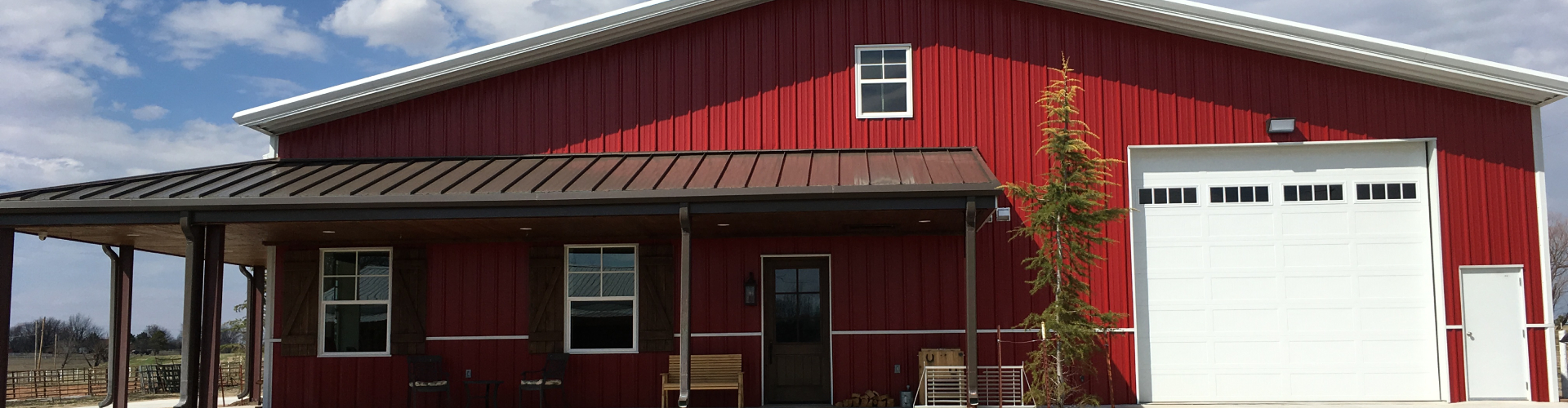
Longevity, reduced material consumption and decreased energy usage are what determine if a structure is sustainable. A design-build contractor or builder should understand the metal building owner’s sustainability goals from the onset of the design phase. In addition to protecting the environment, designing a sustainable building can save your company money through reduced energy costs and garner recognition through several certification programs including LEED®, Green Globes and the Living Building Challenge Metal buildings are a sustainable, or “green”, option from fabrication through the end of their lifespan. Here are some of the features of steel buildings that make them green: 
Durability

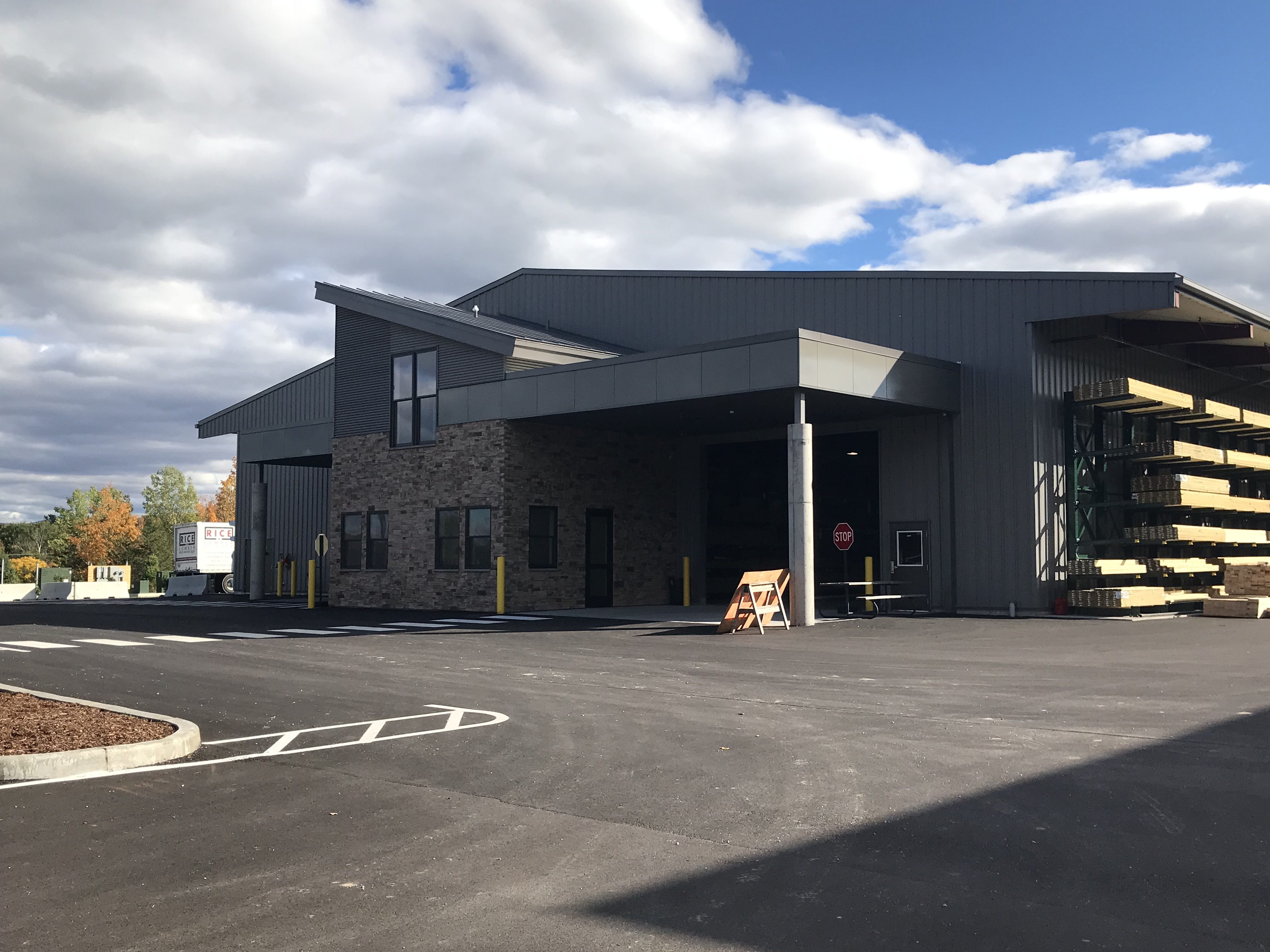
One benefit of metal buildings is the exceptional durability of the building components including metal siding, roofing and framing . Compared to traditional building materials like lumber or shingles, steel is resistant to damage from the elements including severe weather, insects and even fire.  [caption id="attachment_1200" align="aligncenter" width="500"]Lumberyard Entrance Rice Lumber's retail store utilizes CF Flute insulated metal panels in slate gray. For the warhouse, PBR in 26-gauge slate gray were used for the wall and soffit panel, while and 7.2 Panel was selected under deck for the rubber roof.[/caption] This longevity means that there’s no need to consume additional resources to repair or replace your metal building for decades, contributing to its overall sustainability.  

Reduced Impact at the Building Site 

The benefits of metal buildings extend beyond the materials used. Since metal buildings are fabricated off site, there’s less disruption of the area surrounding the building. They can be erected quickly with less waste.

Decreased Temperatures in Urban Areas

Additionally, buildings featuring cool metal roofing panels can help reduce the heat-island effect. The heat-island effect refers to the increase in temperature created when dark and heat absorbing roofing materials are used. These roofing materials can raise the temperature of surrounding areas by as much as seven degrees. This excess heat can be detrimental to plants, trees and people in urban areas. Since cool metal roofing reflects heat instead of absorbing it, less heat is transmitted to the surrounding areas. This helps plants retain water and people remain more comfortable. This also translates to decreased energy usage and decreased greenhouse gas emissions from the electricity used for cooling buildings. 

Improved Energy Efficiency

Metal buildings can also be designed for improved energy efficiency. Combine a variety of components such as insulated metal roof and wall panels and high-performance windows and doors to create an energy efficient building envelope. These components work together to create an effective thermal and vapor barrier, ultimately reducing energy consumption.  Further improve the energy efficiency of your metal building by choosing cool metal roofing. Since these panels reflect the sun’s rays, less heat is absorbed into the building itself. This helps to reduce heating and cooling costs.  Metal roofing panels are the perfect substrate for the installation of solar panels. Solar panels can be attached to a variety of metal panel styles. For standing seam metal roofing, solar panels can be clipped to the roof panel to avoid penetrating the substrate.  This renewable energy source will help reduce your building’s carbon footprint and lower electricity costs. 

Responsible Material Usage

When selecting sustainable materials for your building project, metal should be at the top of your list. Steel products contain a significant percentage of recycled material and are 100% recyclable at the end of the building’s life. Since most metal buildings are prefabricated in shops, there’s less overall waste both at the job site and during fabrication. Any scrap materials that are created during fabrication can be recycled and reused. 

Indoor Environmental Quality 

One important component of sustainability is the interior performance of your building. This is achieved when the well-being of the building’s occupants is protected. Since metal building components are pre-finished off-site during fabrication, there are less harmful, volatile organic compounds released into the building.  Additionally, metal buildings offer flexibility of design, allowing for the incorporation of windows, doors and skylights throughout in order to provide natural light and exterior views. This has been shown to benefit building users. 

Standing Seam vs. Corrugated Metal Panels: Costs, Benefits & Key Differences Explained

Choosing between standing seam vs corrugated metal panels is one of the most important decisions you’ll make when planning a new roofing or siding project. With so many types of metal [...]

Read More

Cornerstone Building Brands acquires Metal Sales Manufacturing Corp.

Cornerstone Building Brands, Inc. (“Cornerstone Building Brands”), a leading manufacturer of exterior building products in North America, has acquired Metal Sales Manufacturing Corporation (“Metal Sales”), [...]

Read More

Preparing Your Metal Roof for Fall: Maintenance Tips

Preparing Your Metal Roof for Fall: Maintenance Tips   As fall approaches, it’s critical to ensure the metal roofing systems you distribute are ready to [...]
Read More

Spring into Action: Your Ultimate Home Maintenance Guide

This comprehensive guide will help you tackle your spring cleaning like a pro, ensuring your house is in top shape for the sunny days ahead. [...]

Read More

Ready to Get Started? Contact Us.

Whether you’re a building supply store looking to stock ABC products, a homeowner wanting to upgrade to metal, or contractor working on your next project, buying ABC products is easier than ever!